
Back Where Firefly Began: Twenty-five years on, Svitac’s work in Brčko is as vital as ever
August 17, 2026

This summer, Firefly’s new Director, Chrissie, made her first visit to Svitac in Bosnia and Herzegovina since taking up the role. Below, she shares her reflections on the visit, the history behind our work in Brčko, and why Svitac’s mission feels as urgent as ever.
Late July saw me visiting our partner in Bosnia and Herzegovina, ‘Svitac’ . Svitac is a direct translation of “firefly”, and was the formal starting point for all of our work, so an especially significant visit. Our founder, Ellie Maxwell, launched Svitac with local colleagues and they registered the organisation in 1999.
Many things have changed in Bosnia and Herzegovina since then, though sadly the need for Svitac’s work remains. I first visited Bosnia in the early 00’s, and have only been back occasionally since then, so reflecting on what has changed and what is different with Svitac colleagues was particularly interesting.
Svitac continues to work to support children and young people in Brčko, the only district in Bosnia and Herzegovina established intentionally on the basis of coexistence among the three main ethnic communities. While schools in in Brčko are different from those elsewhere in Bosnia in that children from all ethnic communities do study in the same classroom, children are still separated into ethnic communities for a number of lessons. Extra-curricular activities are almost all run along ethnic lines, and it is a vital element of Svitac’s approach that their work is different. Svitac remains politically and ethnically neutral, navigating complex issues with care, welcoming all and fostering tolerance and relationship building among all participants.
This clear commitment to integration and neutrality is particularly important when tensions rise. A shooting incident at public football celebrations this spring, alongside broader political dynamics, left many in Brčko feeling nervous – underlining the importance of Svitac continuing to provide a safe space for children from all communities.
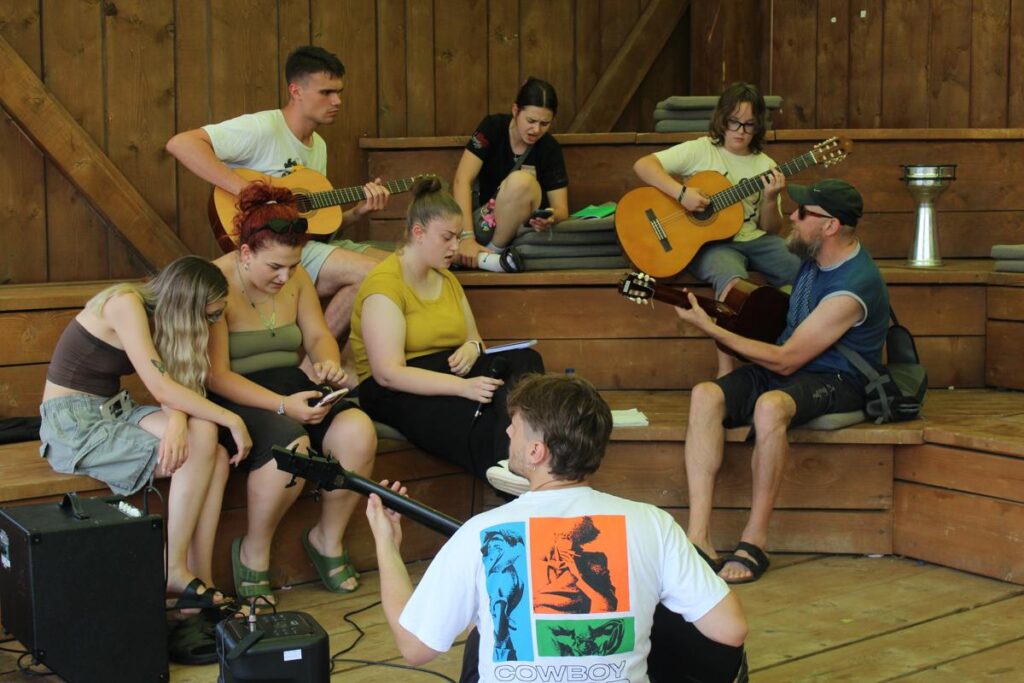
Running a pre-school programme for younger children, and after-school and summer camp programmes for 8-16 year olds, Svitac draws on international volunteering networks and mixes language learning with arts and crafts. Music is also an important element, and the Sambaš music group for those 16+ offers a relaxed opportunity for those interested in building skills or simply gathering socially to support the group and its performances.
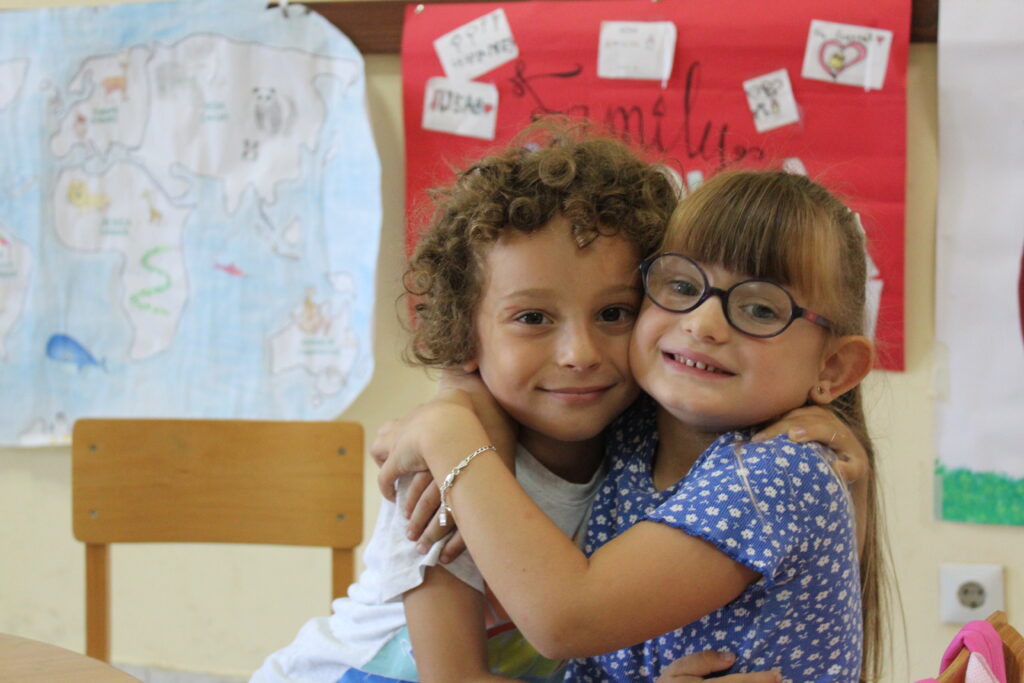
Speaking to staff, volunteers and some of the young people involved, as well as local officials, I came away with a strong sense of a deeply committed team that have made a huge difference over the years. Seeing young people now volunteering and leading activities with the younger participants who they used to be is an important sign of how needed and how valued Svitac’s work remains.
We will be working on supporting Svitac in a few areas over the coming year, in particular promoting volunteering from the UK as native English speakers are a valuable addition to their team – do get in touch if you are interested or have suggestions!